How to increase short-term rental occupancy: 12 steps
Dynamic pricing, optimised listings, reviews and small details: the measures that do the most to boost the occupancy and revenue of a short-term rental.

Two identical apartments on the same street can have very different occupancy rates. The difference rarely lies in the property itself: it lies in the listing, the pricing, the reviews and the way the home is managed. We have gathered the measures that, in our experience managing several hundred properties, do most to raise the occupancy and revenue of a short-term rental (alojamento local, AL).
Pricing
1. Use dynamic pricing
The right nightly rate changes every day, with the season, the day of the week, events in the city, how far ahead the booking is made and what the competition is doing. With a fixed price, you lose money on high-demand days and put guests off on low-demand days.
2. Adjust your minimum stay rules
Long minimum stays in the low season leave gaps in the calendar. Shorten the minimum stay to fill odd nights between bookings, and lengthen it only on the highest-demand dates.
3. Offer discounts for longer stays
Weekly and monthly discounts attract digital nomads and relocated professionals, especially in winter, and reduce operating costs.
Listing
4. Invest in professional photography
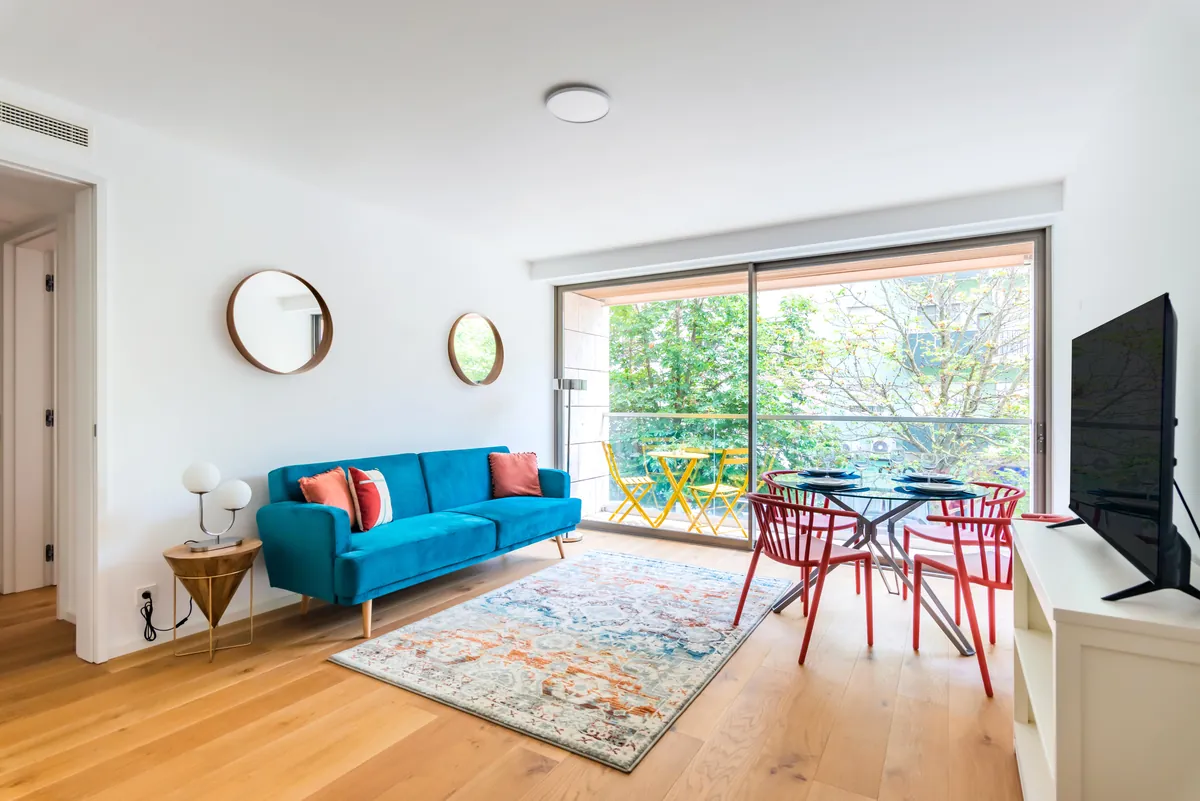
Photos are what guests see first and what drives the first click. Natural light, well-organised spaces and the home’s best feature (the view, the balcony, the pool) in the first photo.
5. Write a clear, informative title and description
Say what makes the home special, how far it is from the main sights and public transport, and answer what guests always ask: parking, air conditioning, a lift, a desk to work at.
6. List on multiple channels
Being on Airbnb alone leaves out a significant share of guests. Booking.com, Vrbo, Expedia and mid-term channels reach different audiences. With synchronised calendars, there is no risk of double bookings. At BnBird we publish on more than 50 channels. Each channel charges its own commission (averaging around 15%), deducted from what the owner receives, so what counts is the net revenue each channel delivers, not just the number of bookings.
Reviews
7. Spotless cleaning, every time
Cleanliness is the criterion that weighs most in reviews. A room-by-room checklist and regular inspections ensure the same standard for every stay.
8. Simple check-in
Clear instructions sent in advance, and a self check-in that works at any hour, remove guests’ main source of frustration.
9. Reply quickly
Replying within minutes, in several languages, increases the conversion of enquiries into bookings and improves the listing’s ranking on the platforms.
10. Ask for reviews and reply to all of them
A friendly message after check-out increases the number of reviews. Replying to every one, especially the less positive ones, shows future guests that the home is well looked after.
The home
11. Small details with a big impact
Fast internet, a comfortable bed, quality bed linen, blackout curtains, coffee and a local area guide cost little and have a big impact on reviews.
12. Preventive maintenance
A breakdown during a stay can lead to a negative review and a refund. Regular servicing of the air conditioning, water heater, appliances and, for houses, the pool and garden avoids surprises.
How much can occupancy rise?
It depends on the starting point, the area and the property. As a benchmark, at properties managed by BnBird average annual occupancy is above 80%, higher than the average market occupancy in the areas where we operate, and the average guest rating is 4.6. See the averages by area in how much a short-term rental earns in 2026.
Frequently asked questions
What is a good occupancy rate for a short-term rental?
It varies greatly with the area and the season. In cities, with year-round demand, market averages commonly sit between 70% and 75%; in seasonal areas, they can be considerably lower. The most useful thing is to compare your property with the average for your area and with revenue, not just occupancy.
Is lowering the price the best way to increase occupancy?
Not always. Lowering the nightly rate can fill the calendar, but reduce revenue. The goal is to maximise revenue per available night, and that is exactly what dynamic pricing is for.
Want to know how much you could improve?
We analyse your listing, your pricing and your calendar in a free assessment. Request your assessment or try the simulator.
This article was originally written in Portuguese and translated with the help of artificial intelligence. It does not replace consulting BnBird. Read the original in Portuguese
We assess your property and prepare a tailored income estimate, with no obligation.
Keep reading

Web Summit, MotoGP and Other Events That Affect Your Autumn Rental Rates
Use the Lisbon Marathon and Web Summit dates to adjust rates, minimum stays and cleaning for your short-term rental (alojamento local) in Lisbon, Cascais…
October 2026 · 8 min read
How to register a short-term rental in Portugal (2026 guide)
The documents, deadlines and requirements to register a short-term rental (alojamento local) in Portugal in 2026, following the changes in Decree-Law 76/2024.
September 2026 · 8 min read
Short-term rental management costs in Portugal (2026)
Market commissions, what is included, what is charged separately and what to ask before handing your short-term rental in Portugal to a manager.
September 2026 · 8 min read